Tools
This section provides an overview of several essential tools used in development and deployment workflows. These tools enable seamless management of dependencies, environments, and the portability of applications across different systems.
Containers
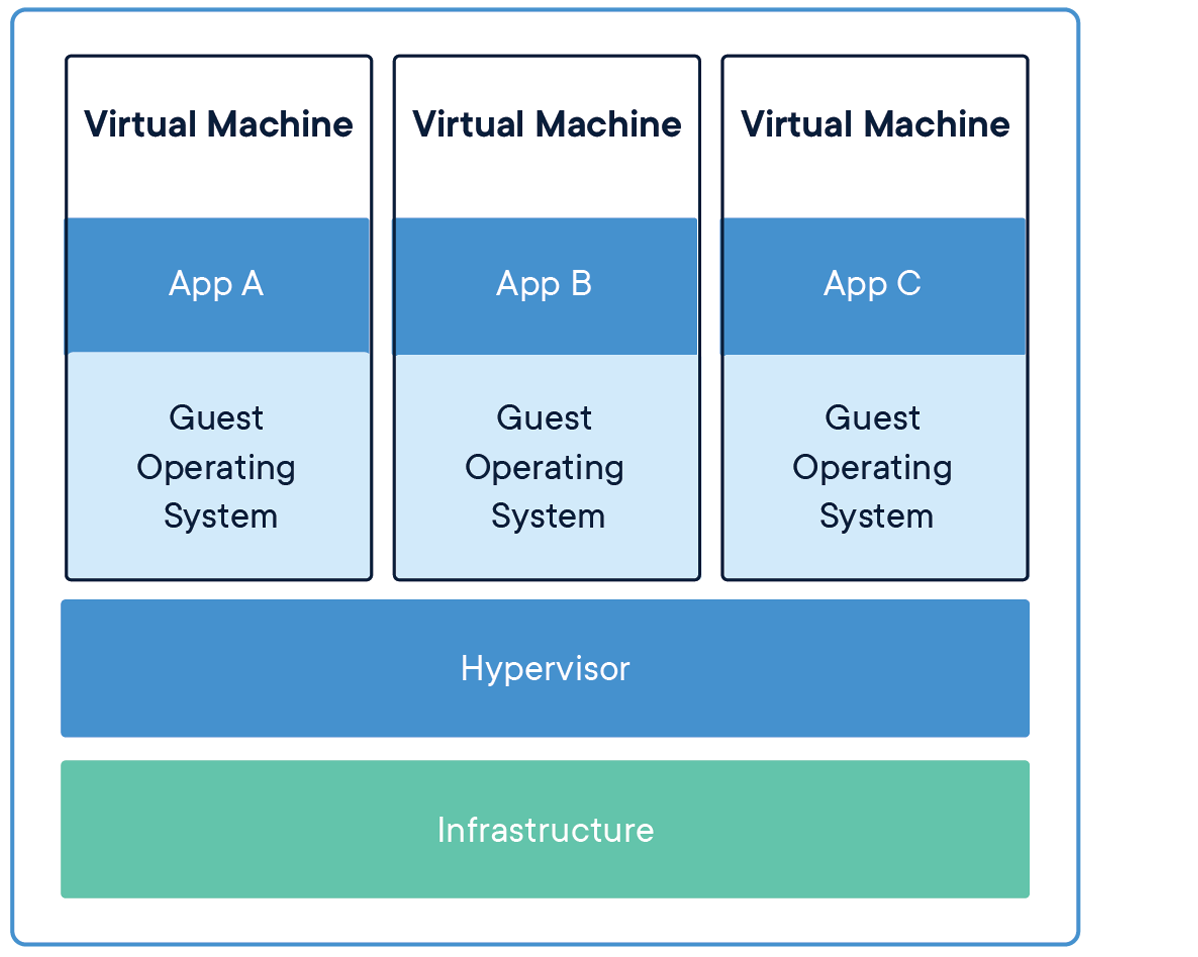
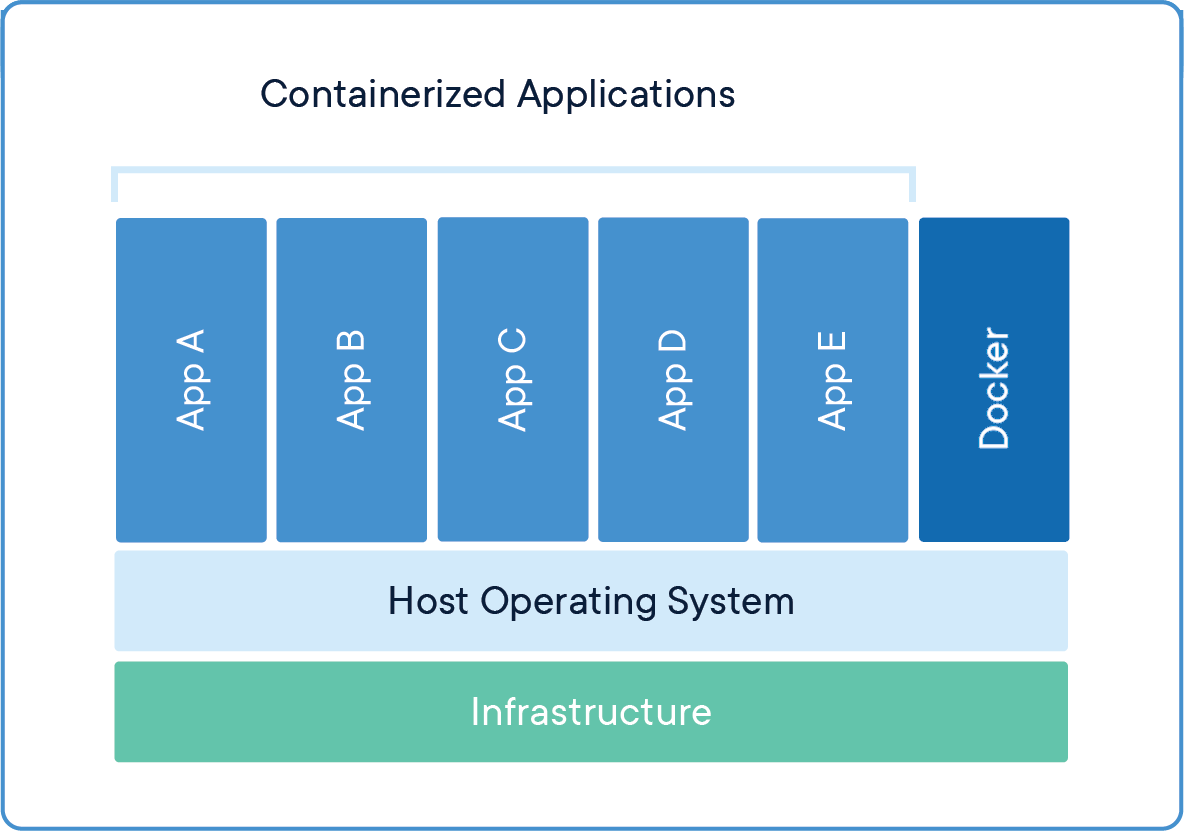
Containers are lightweight, standalone, and executable software packages that include everything needed to run an application: the code, runtime, system tools, libraries, and settings. By packaging the application and its environment together, containers ensure that it runs consistently, regardless of the environment or infrastructure. Additionally, they are essential performant virtual machines. The operating system (OS) is also bundled with the application and its dependencies, ensuring a comprehensive and consistent execution environment.
Key Features
Complete and Portable Environment: Bundles the application with all necessary dependencies, making it portable across different systems.
Cross-Platform Consistency: Guarantees that applications will behave the same across various platforms, eliminating issues related to different configurations or system setups.
Cloud and Production-Ready: Widely used in cloud environments and for production deployments due to their efficiency and reliability (e.g., Docker).
Scalable: Ideal for scalable, microservice-based architectures and container orchestration tools like Kubernetes.
Conda
Conda is a powerful environment and package manager designed to handle not just Python dependencies but also other languages and tools. It is especially popular in data science and machine learning for managing complex projects with dependencies across multiple languages and systems.
Key Features
Versatility: Allows the installation of both Python and non-Python packages, making it suitable for managing projects in diverse ecosystems.
Cross-Language Support: Supports a variety of programming languages, not limited to Python, which makes it ideal for multi-language projects.
Environment Isolation: Creates isolated environments for specific projects, ensuring that dependencies are managed separately for each.
Data Science and ML Focus: Conda simplifies the setup for data science and machine learning environments by handling complex dependencies across languages and tools.
Package Management: Unlike Python’s default package manager (pip), Conda also manages non-Python system dependencies, making it more comprehensive.
Virtual Environments
Virtual environments are essential tools for isolating dependencies within Python projects. They allow developers to create distinct environments for each project, ensuring that dependencies do not conflict with each other.
Key Features
Python-Specific: Virtual environments are designed exclusively for Python projects, isolating Python libraries and dependencies for each project.
Lightweight: Unlike Conda or containers, virtual environments only manage Python libraries, which can make them lighter and quicker to set up.
No System-Level Dependencies: Virtual environments do not handle non-Python system libraries or software dependencies.
Ideal for Small Projects: Best suited for smaller projects where only Python dependencies need to be isolated without the complexity of managing other tools.